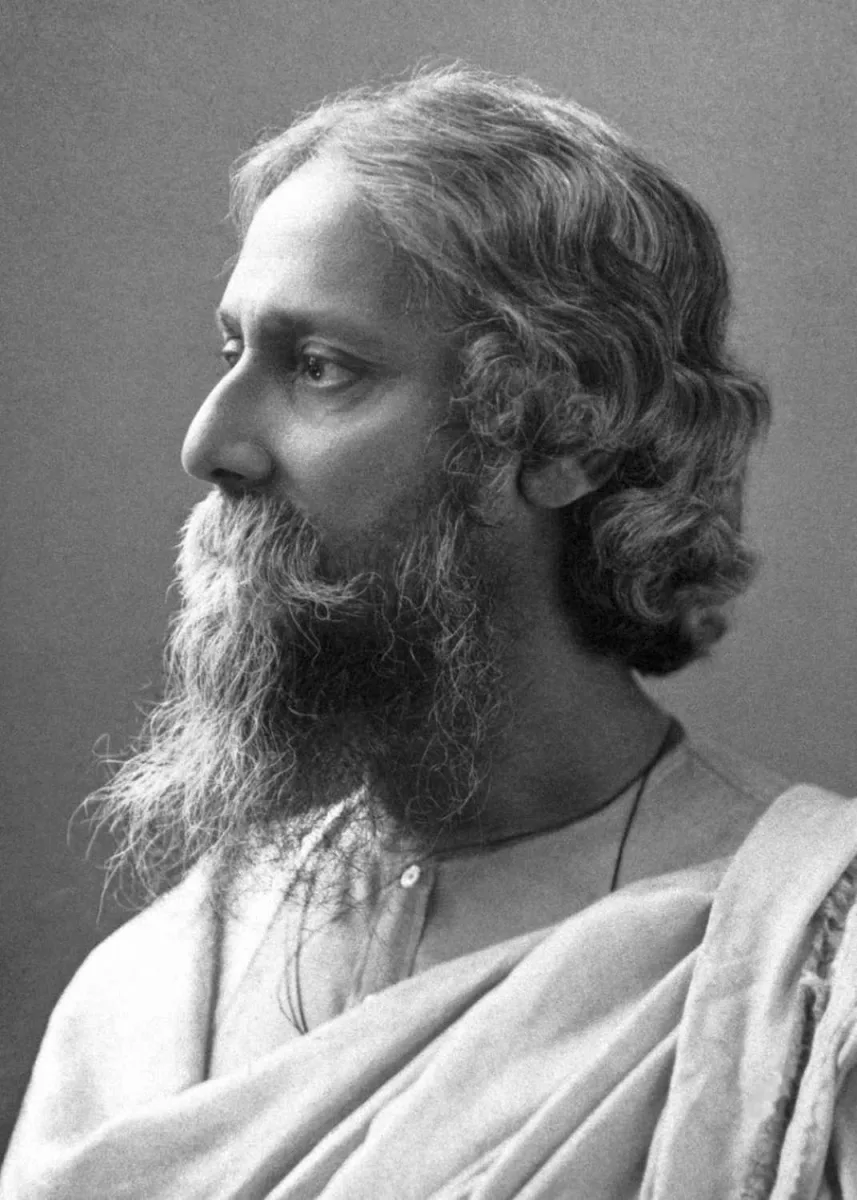
Rabindranath Tagore
Poet, writer and composer; first non-European Nobel laureate in Literature
- Lived
- 80 yrs
- 1861 – 1941
- Works listed
- 7
- Poetry, Novel
- Honours
- 1
- Most recent 1913
- Profile views
- 0
- 0 followers
Rabindranath Tagore was a Bengali poet, novelist, composer, painter and educator who in 1913 became the first non-European to win the Nobel Prize in Literature. He wrote the national anthems of both India and Bangladesh and founded Visva-Bharati University at Santiniketan.
Biography
Early life
Tagore was the youngest son of Debendranath Tagore, a leader of the Brahmo Samaj, in a family at the centre of the Bengal Renaissance. Largely educated at home, he began publishing poems in his teens and briefly studied law in England.
Writer and composer
He wrote in almost every form: poetry, novels such as Gora and Ghare Baire, short stories including Kabuliwala, plays and essays, and more than 2,000 songs now known as Rabindra Sangeet. His English translation of Gitanjali (Song Offerings) won the 1913 Nobel Prize in Literature. His songs Jana Gana Mana and Amar Shonar Bangla became the national anthems of India and Bangladesh.
Educator and public figure
In 1901 he started a school at Santiniketan that grew into Visva-Bharati University (1921). Knighted in 1915, he renounced the honour in protest after the 1919 Jallianwala Bagh massacre. Late in life he also became a prolific painter. He died in Calcutta on 7 August 1941.
Thinker and traveller
Tagore lectured across Europe, the Americas and Asia, met Albert Einstein, and argued for a humane internationalism against narrow nationalism. He conferred the title “Mahatma” on Gandhi, according to a widely held account, and the two debated respectfully about nationalism, science and the boycott of foreign goods.
Painter and composer
In his sixties Tagore took up painting, producing some 2,500 works with bold, expressive forms that were exhibited in Paris, Berlin and Moscow. His songs, Rabindra Sangeet, remain central to Bengali cultural life, and Sri Lanka’s national anthem was also inspired by his music, as its composer was his student.
Legacy
Tagore is revered in India and Bangladesh as Gurudev, and his works are central to Bengali literature, music and education. Visva-Bharati, the university he founded, was declared a central university in 1951, and Santiniketan was inscribed as a UNESCO World Heritage Site in 2023.
Timeline
-
1861
Born in Calcutta (Kolkata), Bengal Presidency
-
1877
First major poems published
-
1901
Founds a school at Santiniketan
-
1913
Nobel Prize in Literature
For Gitanjali.
-
1915
Knighted
-
1919
Renounces his knighthood
After the Jallianwala Bagh massacre.
-
1921
Visva-Bharati University founded
-
1930
First exhibitions of his paintings in Europe
Paris and Berlin.
-
1930
Meets Albert Einstein in Berlin
-
1941
Dies in Calcutta
-
1941
Died, aged 80
Notable works
-
1910
Gitanjali Poetry
-
1910
Gora Novel
-
1916
Ghare Baire (The Home and the World) Novel
-
1911
Jana Gana Mana Song
Became India’s national anthem.
-
1892
Kabuliwala Short story
-
1912
The Post Office (Dak Ghar) Play
-
1905
Amar Shonar Bangla Song
Became Bangladesh’s national anthem.
Awards and honours
-
Nobel Prize in Literature
1913
Did you know?
-
1
He wrote the national anthems of two countries: India and Bangladesh.
-
2
He began painting in his sixties and produced around 2,500 works.
-
3
He met Albert Einstein several times in 1930.
Gallery
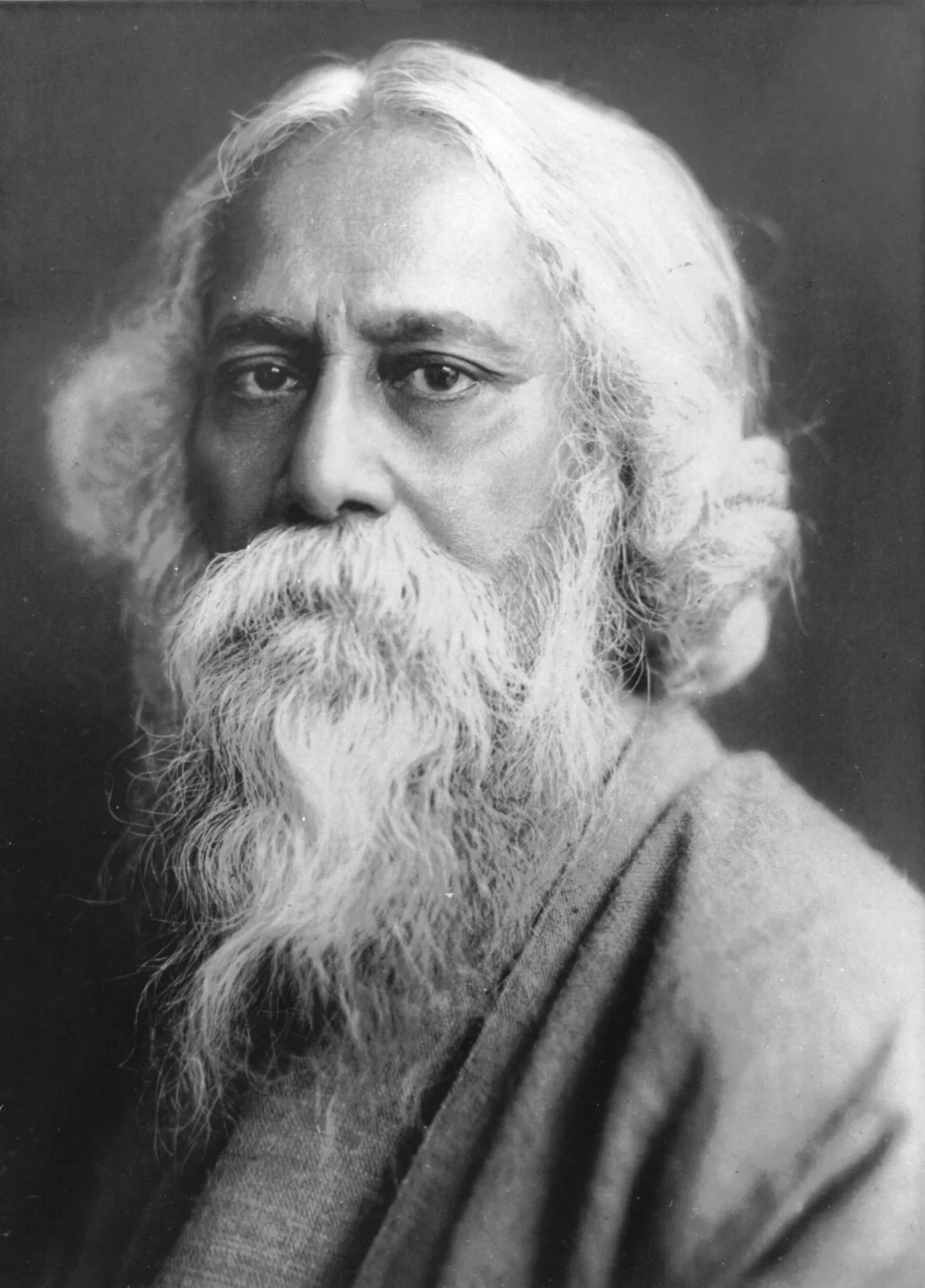

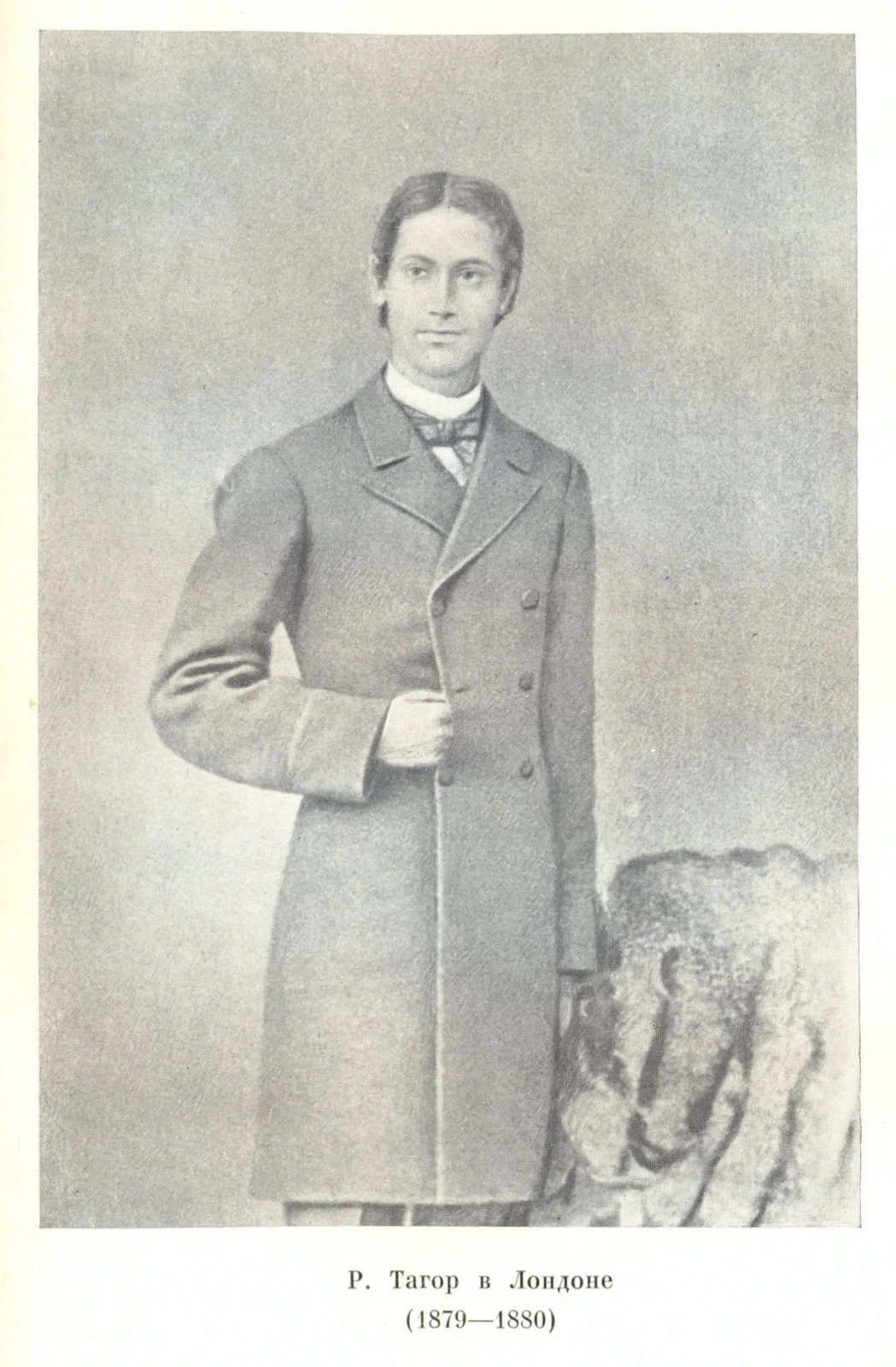
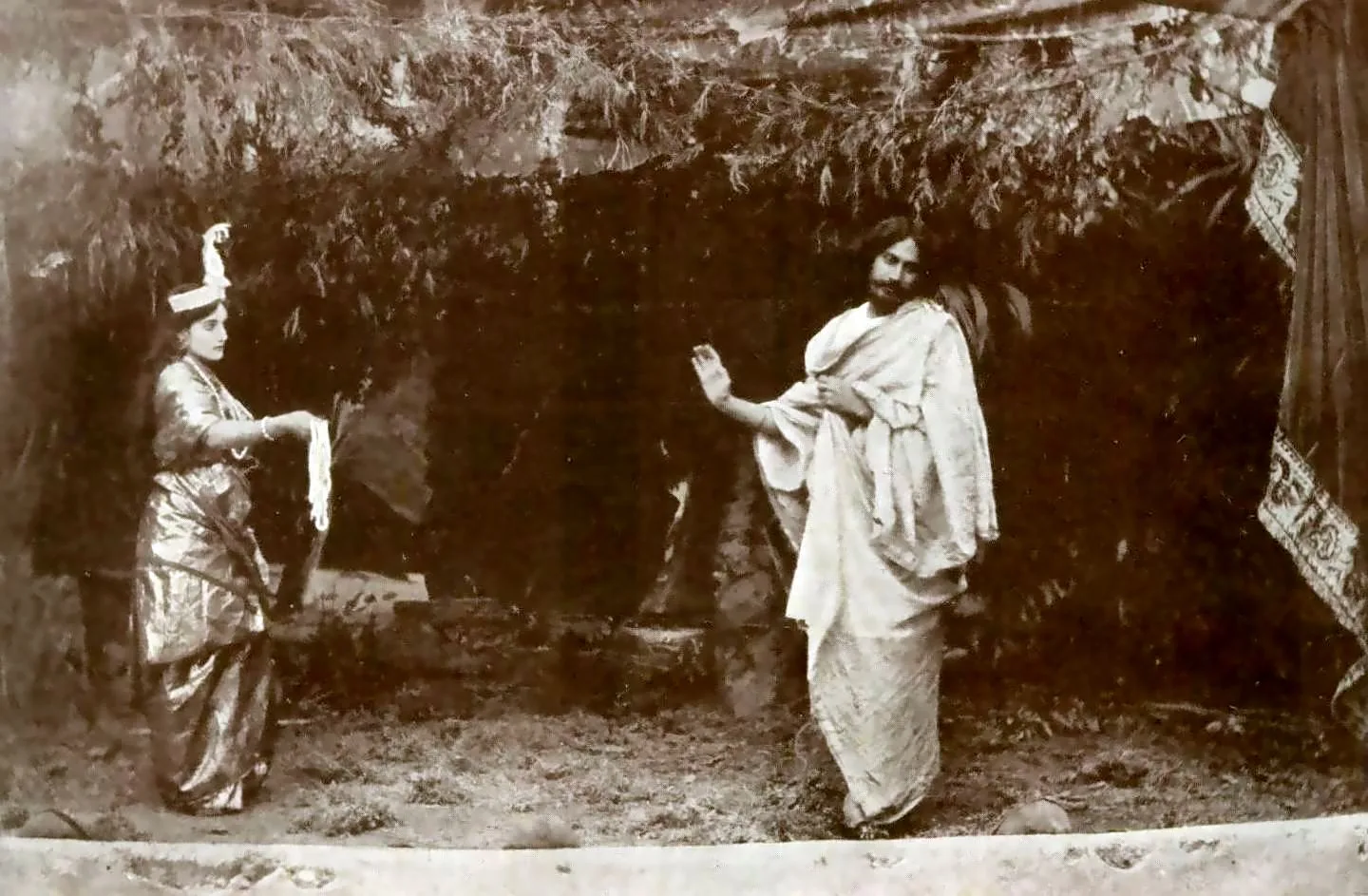
Connections
Related people
-
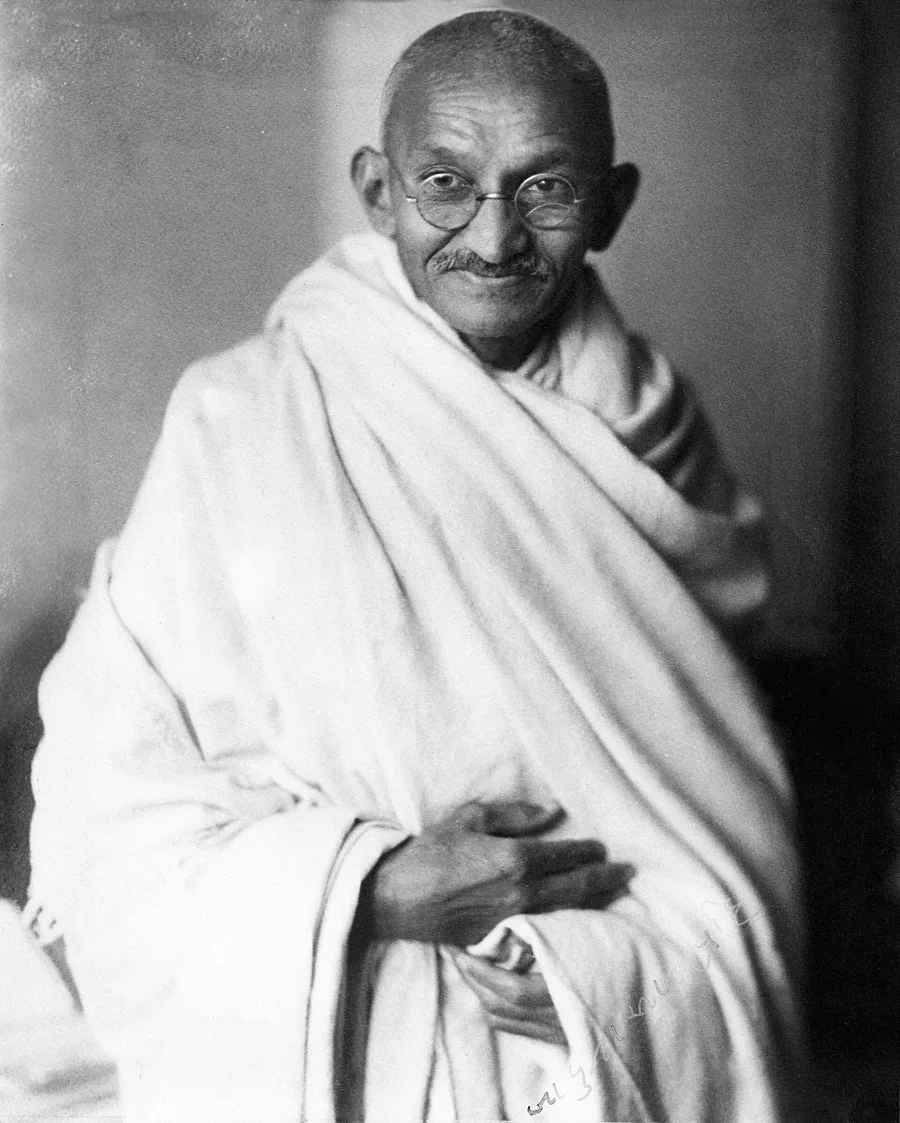 Mahatma Gandhi
Politics & Leadership · Leader of India’s independence movement and pioneer of non-violent resistance
Friend and correspondent
-
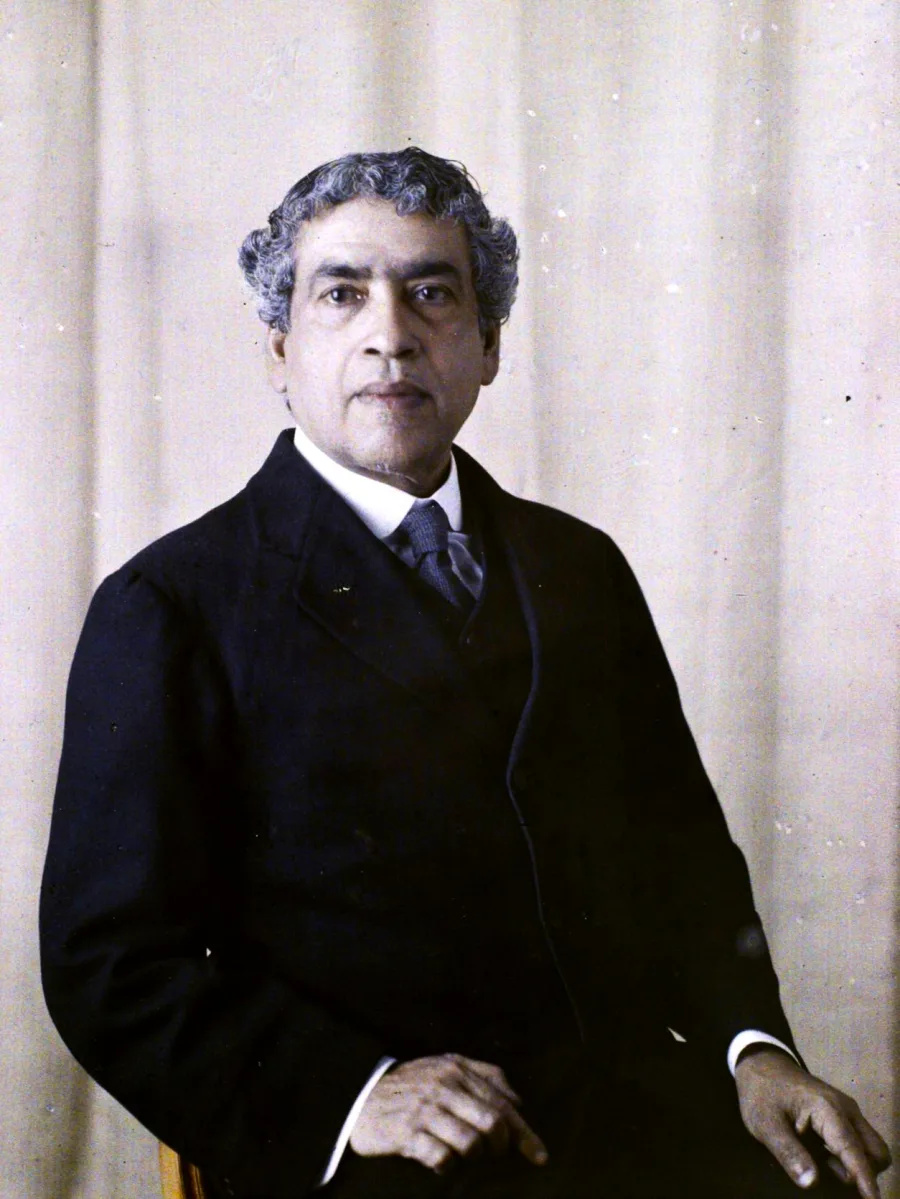 Jagadish Chandra Bose
Science · Physicist and plant biologist; pioneer of radio and microwave research
Close friend
-
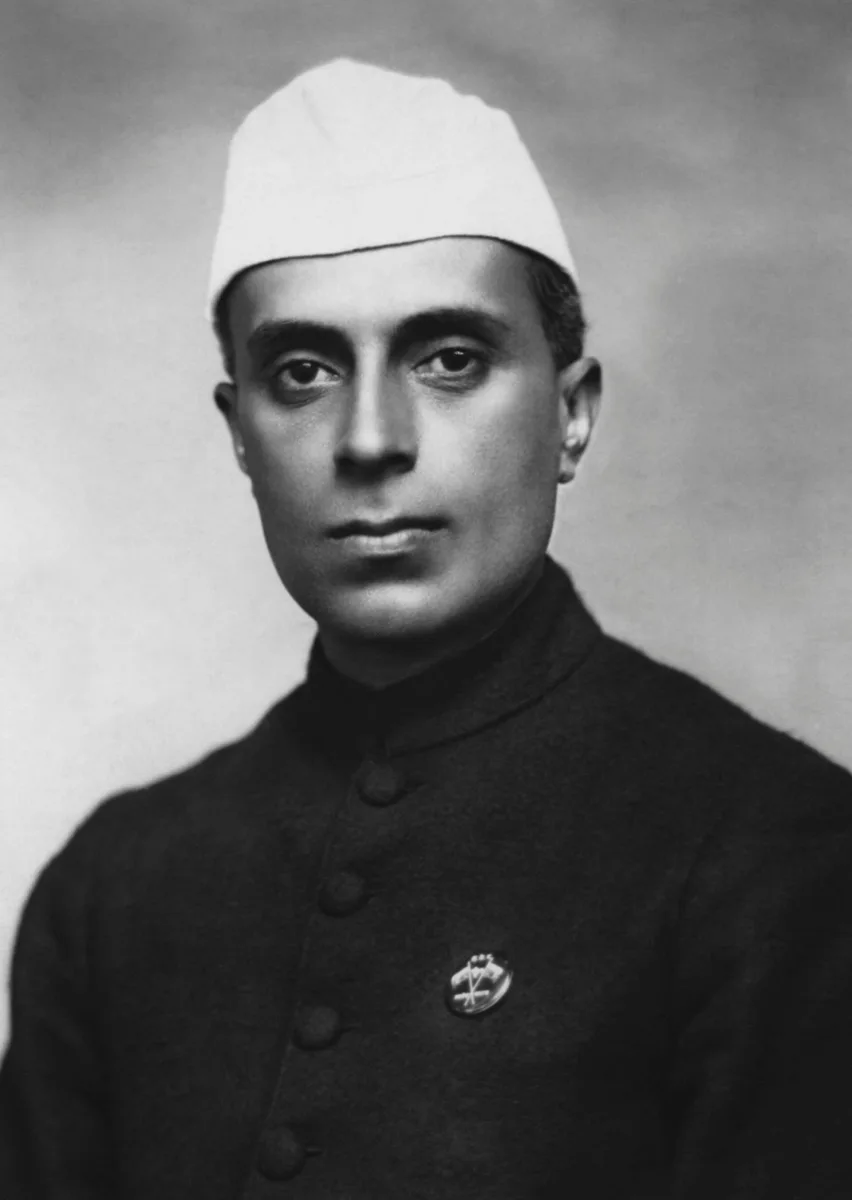 Jawaharlal Nehru
Politics & Leadership · First Prime Minister of India (1947–1964)
Admirer

Frequently asked
Who is Rabindranath Tagore?
Rabindranath Tagore was a Bengali poet, novelist, composer, painter and educator who in 1913 became the first non-European to win the Nobel Prize in Literature. He wrote the national anthems of both India and Bangladesh and founded Visva-Bharati University at Santiniketan.
When did Rabindranath Tagore die?
Rabindranath Tagore died on 7 August 1941 at the age of 80.
Where is Rabindranath Tagore from?
Rabindranath Tagore was born in Calcutta (Kolkata), Bengal Presidency.
What is Rabindranath Tagore known for?
Rabindranath Tagore is best known for Gitanjali; composer of the national anthems of India and Bangladesh; founder of Visva-Bharati.
What awards has Rabindranath Tagore received?
Notable honours include Nobel Prize in Literature (1913).
Who is Rabindranath Tagore married to?
Spouse: Mrinalini Devi (m. 1883).
References
- Rabindranath Tagore — Wikipedia. Wikipedia. Retrieved 26 October 2026.
- Rabindranath Tagore — Britannica. Encyclopaedia Britannica. Retrieved 26 October 2026.
- Rabindranath Tagore — IMDb. IMDb. Retrieved 26 October 2026.
- Rabindranath Tagore — Nobel Prize facts. NobelPrize.org. Retrieved 26 October 2026.
- Rabindranath Tagore — Goodreads author page. Goodreads. Retrieved 26 October 2026.
- Rabindranath Tagore — Invaluable artist page. Invaluable. Retrieved 26 October 2026.
- Rabindranath Tagore — Hindi Wikipedia. Wikipedia (Hindi). Retrieved 26 October 2026.
- Official website. de.wikipedia.org. Retrieved 26 October 2026.
- Rabindranath Tagore (Q7241) — structured data. Wikidata. Retrieved 26 October 2026.
External links
About this profile
- Researched by the TrackFame editors; reviewed by Sanjay Sokal
- First published 26 October 2026
- Last updated
Cite this page
“Rabindranath Tagore.” TrackFame, last updated 26 October 2026. https://trackfame.com/person/rabindranath-tagore
Discussion 0
Sign in or create an account to join the discussion.
No comments yet — be the first.
More in Music
 Literature
Sri Aurobindo
Philosopher, yogi, poet and early nationalist leader
1872 – 1950
 Literature
Premchand
Hindi and Urdu novelist and short-story writer
1880 – 1936
 Science
C. V. Raman
Physicist; Nobel laureate who discovered the Raman effect
1888 – 1970
 Literature
R. K. Narayan
Novelist and creator of the fictional town of Malgudi
1906 – 2001
 Politics & Leadership
Vallabhbhai Patel
First Deputy Prime Minister and Home Minister of India
1875 – 1950
 Politics & Leadership
Lal Bahadur Shastri
Second Prime Minister of India (1964–1966)
1904 – 1966